Kennington gardeners common garden waste collection problems
Posted on 20/11/2026
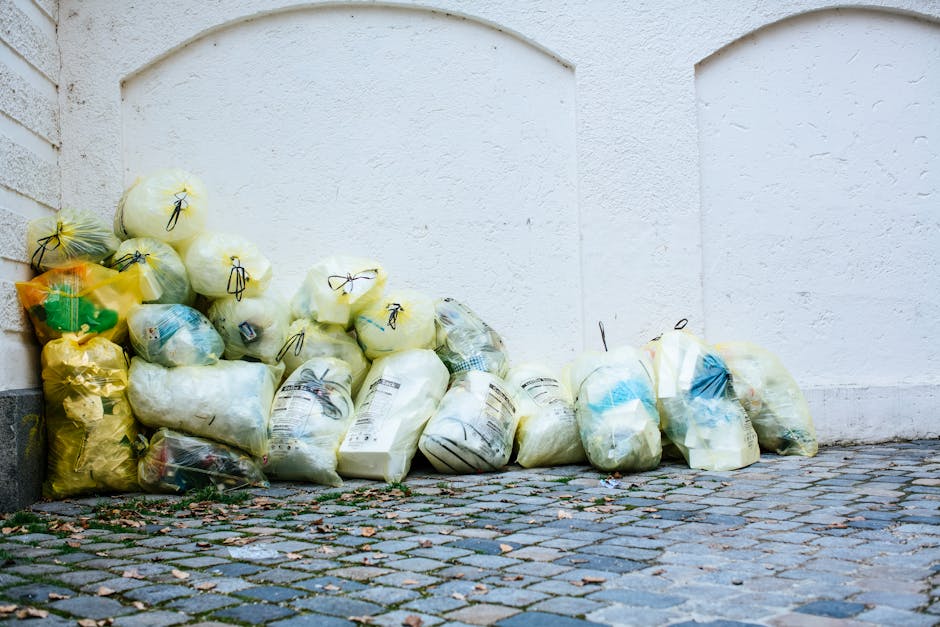
Kennington gardeners common garden waste collection problems: a practical guide to sorting, storing and removing garden waste properly
If you have ever filled a bin with hedge cuttings, lawn clippings, ivy, or a mountain of prunings only to find the collection day becomes the problem, you are not alone. Kennington gardeners common garden waste collection problems usually come down to timing, sorting, storage, access, and a few very ordinary human mistakes that somehow turn a tidy garden job into a messy one. The good news? Most of these issues are preventable with a bit of planning and a sensible routine.
In this guide, we'll look at what goes wrong, why it matters, and how to make garden waste management smoother in a real Kennington setting, where space is often tight and weather can change the plan in ten minutes flat. We'll also cover the practical side: how collection works in everyday terms, what to do before the bin lorry or waste team arrives, and how to avoid the sort of slip-ups that cause delays, complaints, or extra hassle later on. There's no magic here. Just decent systems, a bit of local awareness, and some garden common sense.
Why Kennington gardeners common garden waste collection problems matters
Garden waste looks harmless until it piles up. Then it starts taking over paths, patios, wheelie bins, and, if you're not careful, the whole rhythm of your garden maintenance routine. In Kennington, that tends to matter more than people expect because many gardens are compact, shared access can be awkward, and storage space is often limited. A few soggy sacks of clippings after a wet weekend can quickly become a real nuisance.
The practical importance is simple: if waste is not managed properly, plants get left untrimmed, lawns stay messy, and jobs that should feel satisfying become stressful. You also run into avoidable issues such as blocked access, unpleasant smells, pests, damp waste leaking onto paving, or collections being missed because the material wasn't prepared correctly. Not ideal when you were trying to do something responsible and tidy.
There's also a quality-of-work issue. A good garden job does not end when the last shrub is cut or the last border is weeded. What happens to the waste is part of the job. When collection is planned badly, the whole project can look unfinished. By contrast, a clean disposal routine makes every other part of the garden look better, from lawn care to hedge trimming and seasonal tidy-ups.
If you want broader support around keeping your outdoor space in order, services such as garden maintenance in Kennington and hedge trimming are often where the practical conversation begins. Waste is part of maintenance, not an afterthought. That's the bit people sometimes forget.
How Kennington gardeners common garden waste collection problems works
At a basic level, garden waste collection is about three things: separation, containment, and access. If those three are handled well, collection is usually straightforward. If one of them slips, the whole process can become awkward very quickly.
Separation means keeping garden waste apart from general household rubbish. Most collection systems expect clean green waste such as grass cuttings, leaves, prunings, small branches, and some plant material. Mixed-in rubble, food waste, plastic plant pots, wire, or treated timber can create problems. Collection teams do not want to sort through a mini skip of mystery items. Fair enough.
Containment means using the right bins, sacks, or piles for the method you are using. Waste that is too wet, too heavy, or too loosely packed can tear bags, attract mess, and become difficult to move. A pile of hedge trimmings that looked manageable at 9 a.m. can be a stubborn beast by lunch if it has started to dry, compact, or get blown about.
Access means making sure the material can actually be reached. In narrow Kennington plots, that can mean a side return, a shared gate, a basement step, or a patio that becomes a bottleneck. If the collection point is not obvious or the waste is blocking access, the job slows down. Sometimes the problem is not the volume; it is the route.
In practical terms, collection works best when you pre-sort waste into material types, store it in a dry and tidy way, and place it where it can be collected without lifting, dragging, or disturbing neighbours. If you're dealing with climbers or invasive material, it helps to plan disposal earlier. For example, ivy removal can create far more waste than people expect, so it is worth reading the ivy eradication guide alongside your waste plan rather than treating the two as separate tasks.
Key benefits and practical advantages
Good garden waste collection habits save time, but that's not the only advantage. They also improve the feel, safety, and appearance of the whole garden. A tidy process can make a surprisingly big difference.
- Less mess around the property: no more damp heaps on paving or soil scattered across the path.
- Fewer missed collections: waste is prepared correctly and ready when needed.
- Better garden health: diseased or infested plant material can be isolated instead of being left in borders too long.
- Improved safety: fewer trip hazards, sharper tools left in piles, or slippery patches caused by rotting clippings.
- Stronger kerb appeal: the garden looks cared for, even between bigger jobs.
- More efficient maintenance: pruning, mowing, and clearance become less disruptive when the waste plan is built in.
There's also a quieter benefit that people notice after a while: the work feels lighter. You do not end the day staring at a backlog of bags and wondering where to put them. You can finish a task, clear the waste, and enjoy the result. Simple, but that's the point.
For many households, that calm, tidy feeling matters as much as the practical side. Especially in smaller gardens where one untidy corner can make the whole place feel cluttered. If your outdoor space doubles as a seating area, a dog run, or a place for children to play, the value rises again. A clean system supports the life of the garden, not just the look of it.
Who this is for and when it makes sense
This topic is relevant to almost anyone who gardens in Kennington, but it becomes especially important in a few common situations.
- Homeowners with small gardens: limited storage makes waste build-up more noticeable.
- Busy families: there is often not enough time to sort waste properly after every job.
- People with hedges, climbers, or shrubs: trimming produces bulky, awkward cuttings.
- Landlords and property managers: waste left behind can become a maintenance complaint.
- Older gardens with overgrowth: clearance creates more material than expected, especially where ivy or dense shrubs are involved.
- Anyone booking regular garden help: if collections are not coordinated, even a good gardening visit can end with clutter.
It also makes sense if you are trying to reduce the number of trips to the tip, avoid overfilling bins, or keep a shared outdoor space usable for neighbours. In terraced streets and mixed-use properties, that last point matters more than people think. One forgotten heap by a side gate can be the difference between a smooth week and a small argument. Nobody needs that over a few bags of leaves.
If your gardening tasks are seasonal, the need changes too. Spring and early summer bring fast growth, while autumn brings leaf fall, and winter pruning can create more woody waste. If you want a calmer rhythm around heavier jobs, it helps to combine waste planning with broader garden upkeep habits, such as the ideas in low-cost garden upkeep ideas and the practical timing suggestions in winter plant care essentials.
Step-by-step guidance
Here is a straightforward way to stay on top of garden waste collection without making it a whole project in itself.
- Identify the waste before you cut anything. Ask yourself whether you are dealing with soft green waste, woody prunings, leaves, or diseased material. Different waste types behave differently once they are piled up.
- Set aside a collection point. Choose one place where waste can gather without blocking access or soaking into paving. If possible, keep it near the exit route.
- Separate useful material from disposal material. Some cuttings can be composted or reused as mulch, but only if they are healthy and suitable. Diseased plant matter should be kept apart.
- Cut bulky waste down to size. Long branches, hedge tops, and stem bundles are much easier to handle when reduced before collection day.
- Use the right bags or containers. Avoid overfilling. Heavy sacks are where people hurt their backs and curse quietly under their breath. Been there, probably.
- Keep the waste dry if you can. Wet green waste is heavier and smellier. A tarpaulin or covered corner can help on rainy days.
- Check the collection timing early. Do not leave everything to the morning of collection. If the waste is still half-cut when the crew arrives, that is a problem.
- Clear the access route. Gates, steps, side passages, and driveways need to be free. Collection works best when nobody has to squeeze past a barrow and a stack of branches.
- Remove contamination. Pick out plastics, plant ties, labels, and any non-organic debris.
- Review what went wrong after each big job. If you always have too much waste, the answer may be to prune in smaller stages rather than trying to do everything in one go.
A practical example: if you are cutting back a hedge in a narrow Kennington garden, do the waste handling in two or three passes instead of one giant pile. You'll notice the whole job feels lighter, and the final clear-up takes less time than wrestling with a mountain of clippings at the end.
Expert tips for better results
After enough garden clear-ups, a few patterns become obvious. The people who avoid waste-collection headaches usually do small things consistently, not one dramatic thing once a year.
Prune with disposal in mind. This sounds obvious, but it helps to cut in manageable lengths so the waste can be stacked, tied, or bagged neatly. If you are working on shrubs or summer flowering plants, the timing and method of cutting can also affect how much waste you generate. A useful companion read is pruning and deadheading techniques for summer blooms, because cleaner cuts often mean cleaner disposal too.
Chop bulky stems early. A few minutes with loppers before pile-up time can save a lot of faffing later. Thick stems and woody offcuts never seem large until they are all piled together.
Think in zones. Keep soft green waste, woody waste, and "maybe compostable" material separate from the start. It is much easier to sort as you go than to re-sort at the end.
Choose dry weather windows where possible. Nobody controls the British weather, obviously, but if you can schedule larger tidies around a dry spell, you will usually get lighter bags and fewer slips on paving.
Use the waste to inform future planting choices. If you are constantly producing too much hedge cuttings or aggressive climber waste, consider whether your planting structure matches the space. For a more stable border, ground cover plants for a thriving UK garden can reduce some maintenance burden over time.
Don't let the garden storage area become a second garden. It happens. A few "temporary" bags sit for a week, then two. Suddenly the storage corner is its own ecosystem. Bit grim, really.
If you manage small urban spaces, you may also find ideas in vertical garden benefits useful, because less sprawling planting can mean less oversized waste in the first place.
Common mistakes to avoid
Most collection problems are not dramatic. They are tiny oversights that stack up. Here are the big ones.
- Mixing garden waste with general rubbish: this creates contamination and can lead to rejected collections or extra sorting.
- Leaving waste exposed for too long: rain makes it heavier, wind spreads it, and insects move in.
- Overfilling sacks or bins: heavy loads tear, tip, or become impossible to lift safely.
- Ignoring access routes: waste left in the wrong place turns a collection into a carrying job.
- Assuming all waste is compostable: diseased material, invasive weeds, or treated timber need different handling.
- Forgetting to cut waste down first: long branches and thick hedge trimmings can be awkward even when the volume seems low.
- Leaving collection planning until the last minute: the biggest hassle usually comes from a rushed finish, not the gardening itself.
Another common issue is using the same strategy for every season. Winter cuttings are often woodier; spring brings soft growth and weeds; late summer can mean a blend of both. If you want results that feel less chaotic, adjust your disposal method to the job instead of forcing every job into one routine.
Tools, resources and recommendations
You do not need a huge kit, but a few good tools make garden waste handling cleaner and safer.
- Sturdy garden sacks or reusable waste bags for lighter clippings and leaves.
- Secateurs and loppers for reducing stems and branches before bagging.
- Wheelbarrow or garden trug for moving material across a narrow plot.
- Tarpaulin to keep waste contained on wet days.
- Gloves and protective footwear for safer handling, especially with thorny cuttings or rough prunings.
- Compost bin or heap for suitable clean waste where space allows.
- Labelled storage area if you regularly separate green waste, woody waste, and disposal-only material.
If you are building a better maintenance routine, it also helps to match the toolset to your garden type. For example, hedge-heavy plots may benefit from regular trimming and quick waste removal, while patios and decks need different maintenance rhythms. Services such as patio cleaning in Kennington, decking services, and lawn care are useful references when you are deciding how the whole outdoor space should be managed, not just the planting beds.
For plant-heavy gardens, a broader reference point can be helpful too. If you are working with climbers, shrubs, or seasonal planting, evergreen climbers and herb corner ideas can guide you toward planting choices that fit the maintenance level you actually want.
Law, compliance, standards, or best practice
This is one of those topics where common sense, local rules, and good practice overlap. You do not need to turn waste management into a legal seminar, but you do need to treat it carefully. In the UK, garden waste should generally be handled in line with local collection expectations, and it should not be mixed with hazardous or non-organic material unless the collection method explicitly allows it. The exact rules vary, so the safest approach is always to follow the guidance tied to your service arrangement or local authority process.
Best practice is simple enough:
- keep green waste separate from general rubbish;
- avoid contaminating recyclable or compostable material;
- do not leave waste where it blocks shared access, footpaths, or neighbouring boundaries;
- store waste safely so it does not attract pests or create trip hazards;
- handle thorny, heavy, or diseased material with appropriate care.
If you are dealing with a garden that has overgrown ivy, self-seeded scrub, or boundary vegetation, the disposal part can become more sensitive because the material is bulky and sometimes invasive. In those cases, careful removal and controlled storage are more than just tidy habits; they are part of responsible garden management. If a job feels borderline too large or awkward for a quick clear-up, it is usually worth slowing down and planning properly rather than making a heroic mess of it.
There are also safety and trust considerations. A reputable gardening team should work with decent housekeeping, sensible lifting practices, and clear communication about what happens to waste after the work is done. If that matters to you, it's reasonable to ask questions before the job begins. No drama, just professionalism.
Options, methods, or comparison table
Different properties need different approaches. Here's a practical comparison of the main options people use for garden waste.
| Method | Best for | Pros | Watch-outs |
|---|---|---|---|
| Home composting | Leaves, grass, soft cuttings | Low-cost, useful for soil improvement | Not suitable for diseased or invasive material; needs space and patience |
| Bagging for collection | Routine tidy-ups and moderate pruning | Easy to organise, simple to move | Overfilling makes bags heavy and awkward |
| Heap and clear | Large seasonal clearances | Fast while you work, less stopping and starting | Can become messy if left too long or exposed to rain |
| Staged removal | Dense hedges, overgrown plots, larger jobs | Prevents overwhelm, safer for access and handling | Takes planning and discipline |
| Professional garden waste handling | Bulky jobs, repeated maintenance, time-poor households | Efficient, tidy, less lifting for you | Needs a clear scope and expectations upfront |
For most households, the sweet spot is a mix. Compost the clean, useful material. Bag the rest neatly. Arrange separate handling for bulky or awkward waste. It is not glamorous, but it works. And in gardening, working beats fancy every time.
Case study or real-world example
Imagine a small Kennington back garden after a month of fast summer growth. The hedge has put on weight, the lawn edges are shaggy, and a patch of ivy near the fence has crept further than anyone intended. The first instinct is to cut everything back in one go and worry about the waste later. That is where trouble starts.
Instead, the better approach is to divide the work into stages. First, trim the hedge and reduce the cuttings to manageable lengths. Second, separate ivy and other invasive material from the healthy clippings. Third, collect the waste into one dry, accessible area close to the gate. Fourth, check whether anything can be composted, and make sure the rest is ready for removal without blocking the path.
What changed? Not the amount of work, really. Just the order. The garden looked calmer by the end of the same afternoon, and the follow-up clean-up took a fraction of the time. That is usually how it goes. Waste problems often look bigger than they are because the process is out of sequence, not because the garden is unmanageable.
A similar thing happens with heavier seasonal work. A late-autumn clear-up can produce more material than expected, especially if you are combining leaf fall, pruning, and border tidying in one session. In those moments, a little patience saves a lot of frustration. Small piles. Clear routes. Dry storage. It really does add up.
Practical checklist
Use this as a quick pre-collection or pre-clear-up check.
- Have I separated green waste from general rubbish?
- Is the waste dry enough to handle safely?
- Are any diseased, thorny, or invasive cuttings kept apart?
- Have I reduced bulky stems into manageable lengths?
- Are sacks or bins strong enough and not overfilled?
- Is the collection point easy to reach?
- Will the waste block paths, gates, or neighbour access?
- Have I removed plastic ties, labels, or other contamination?
- Do I know which material can be composted and which should not be?
- Is everything ready before collection day, not on it?
If you can tick most of those off, you are already ahead of the usual chaos. Not glamorous, but effective. That's gardening for you.
Get a free quote today and see how much you can save.
Conclusion
Kennington gardeners common garden waste collection problems are usually less about the waste itself and more about how it is handled. A tidy plan, sensible sorting, and a realistic view of access and timing will solve most of the headaches before they start. Whether you are clearing hedge trimmings, leaf litter, ivy, or seasonal cutbacks, the same principle holds: make the waste easy to move, easy to collect, and hard to mess up.
That approach protects your garden, saves time, and keeps the whole job feeling manageable. And honestly, that is what most people want in the end: a garden that looks cared for without the back-and-forth stress. Small improvements here make a surprisingly big difference over a year. Little and often. That's the trick.


With years of experience in the gardening business, Mark contributes articles on a wide range of gardening and landscaping topics. His expertise has guided numerous individuals in creating beautiful garden designs.