Kennington Lane narrow garden access guide for gardeners
Posted on 27/10/2026

If you have ever tried to move a bag of compost, a mower, or a stack of paving slabs through a tight side passage, you already know the problem. Narrow garden access can turn a simple job into a careful little operation, especially on Kennington Lane where many gardens are tucked behind terraces, split-level plots, or compact urban layouts. This Kennington Lane narrow garden access guide for gardeners is here to help you plan properly, avoid avoidable damage, and get the work done with less stress. Truth be told, the right approach can save more time than rushing ever does.
In the pages below, you will find practical guidance on assessment, equipment, team movement, plant protection, waste handling, and the small decisions that make a big difference in tight spaces. Whether you are a homeowner, a landlord, or a gardener working on-site, the aim is the same: move efficiently, protect the property, and leave the garden looking cared for rather than just "done".
- Why narrow access matters
- How the access process works
- Key benefits and practical advantages
- Who needs this guidance
- Step-by-step guidance
- Expert tips for better results
- Common mistakes to avoid
- Tools, resources and recommendations
- Law, compliance and best practice
- Options, methods and comparison table
- Case study or real-world example
- Practical checklist
- Conclusion
- Frequently asked questions
Why Kennington Lane narrow garden access guide for gardeners Matters
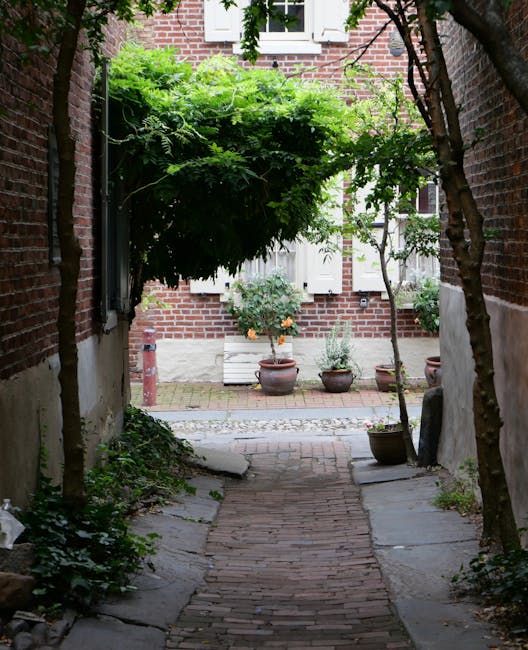
Narrow access changes the whole shape of a garden job. On a straightforward plot, you can bring materials in, work methodically, and clear waste without much drama. In a tight Kennington Lane garden, every movement has to be considered: where the wheelbarrow turns, which way the lawn clippings travel, how to avoid scraping brickwork, and whether the back gate is actually wide enough for the plant trolley you planned to use.
This matters for more than convenience. Poor access planning can lead to damaged walls, chipped paving, bent stems, repeated trips, and a job that takes far longer than it should. It can also limit what is realistically possible. For example, a delivery of large mature shrubs may look perfect on paper, but if the only route is a narrow passage with a sharp turn, the sensible choice may be smaller stock or container-grown alternatives instead.
Local gardens often bring a few extra quirks. There may be shared side returns, bin routes, uneven paving, low light, and neighbours close enough to hear every clatter of a metal spade. That is why narrow-access gardening is not just about strength. It is about planning, sequencing, and using the right materials in the right order. It sounds simple, yet a lot of problems start with one assumption: "we'll just get it through".
For regular upkeep work, the same principle applies. If you are arranging ongoing help, it is worth pairing access planning with broader support such as garden maintenance in Kennington, because narrow routes tend to reward routine, light-touch care rather than occasional heavy intervention.
How Kennington Lane narrow garden access guide for gardeners Works
The process is really a chain of small choices. First comes the site assessment. Then the gardener decides how to enter, what can be moved safely, which items need to be broken down or carried in stages, and how the work area will be protected. After that, the job is scheduled so that the biggest or messiest tasks happen at the right time. It is a bit like moving furniture through a narrow hallway: the angle matters, the order matters, and someone always asks, "Can we rotate it a little more?"
In practice, a narrow-access plan usually covers these points:
- Measuring access points such as gates, side passages, alleyways, and door widths.
- Checking turning space for barrows, carts, mowers, or material bags.
- Deciding on smaller loads instead of one heavy delivery.
- Protecting surfaces with boards, mats, or careful route selection.
- Choosing compact tools that suit the route as well as the task.
- Scheduling waste removal so cuttings and rubble do not become a bottleneck.
For plant-heavy projects, access affects design choices too. If you are fitting climbers, hedge plants, or screening, you may want to read about vertical gardens in urban spaces and fast-growing hedge choices for privacy, because compact planting often solves access and space issues at the same time. That is especially helpful where the garden is narrow from end to end, not just at the entrance.
Key Benefits and Practical Advantages
When the access plan is sound, the whole job feels easier. Not effortless, let's not pretend that, but calmer and more controlled. You get fewer delays, less mess, and a better chance of protecting existing planting and hard landscaping.
Some of the most useful benefits are below:
- Less property damage because tools, barrows, and materials follow a defined route.
- Cleaner finish as soil, clippings, and debris are contained more effectively.
- Faster delivery and removal of materials when loads are sized properly.
- Better plant survival thanks to careful handling in tight movement corridors.
- Reduced fatigue because the work is planned around realistic carrying distances.
- Improved neighbour relations when noise, access, and waste handling are managed sensibly.
There is also a commercial benefit for gardeners and clients. Clear access planning reduces surprises. Fewer surprises usually means fewer awkward conversations. In our experience, that is half the battle on busy London streets. The job runs better, the client knows what to expect, and the gardener can concentrate on the actual horticulture rather than wrestling with logistics.
If the aim is to create a low-fuss garden that is easier to keep tidy after the main work, the article on low-expense garden upkeep ideas is a useful companion read.
Who This Is For and When It Makes Sense
This guide is useful for anyone dealing with a compact or awkward route into the garden. That includes domestic clients, professional gardeners, landscapers, property managers, and anyone handling a garden refresh where the entrance is more restrictive than the garden itself.
It makes particular sense when you are dealing with any of the following:
- narrow side passages or shared access routes
- small gates or awkward latch positions
- restricted rear access from the street
- tight terraces with limited storage space
- multi-stage jobs that involve both planting and waste removal
- projects where delicate shrubs, pots, or lawn edging must be moved carefully
It also matters if you are planning something seasonal. Spring and early summer tend to bring heavier workloads, and access constraints become more obvious when plants are at full growth and the site is already busy. If you are dealing with shrubs, climbers, or overgrowth, the combination of narrow entry and dense planting can be a bit of a tangle. A sensible gardener will slow down, assess, and choose the least disruptive route.
For climbers and screening in tight spaces, there is useful context in the art of sculpting shadows with evergreen climbers. And if old growth is making access harder than it should be, ivy eradication can be relevant too, because ivy often creeps into the exact spaces that make movement awkward.
Step-by-Step Guidance
If you are approaching a narrow-access garden for the first time, work through the job in stages. It really is the best way to avoid costly little mistakes.
- Survey the route before unloading. Walk from the vehicle to the work area and note every pinch point, step, slope, and tight turn.
- Measure the narrowest opening. Do not rely on a glance. A few centimetres can change the equipment plan completely.
- Identify surface risks. Look for loose slabs, soft turf edges, gravel drift, wet patches, or brittle painted surfaces.
- Choose the smallest practical kit. Compact tools and foldable or split-load equipment are often better than heavy-duty items that are hard to steer.
- Stage materials near the entrance. If possible, keep compost, pots, and aggregates in the order they will be used.
- Protect the route. Use boards or temporary coverings where repeated trips may mark paving or lawns.
- Work from clean to dirty. Finish delicate jobs before heavier cut-back or waste movement begins.
- Remove waste in manageable batches. One large pile at the end can become a real obstruction.
- Check progress midway. Access issues often appear only after the first hour, when bins, trimmings, or plant stock start piling up.
- Do a final sweep. On a narrow-access site, a few stray twigs or clumps of soil can make the whole space feel untidy.
A small but important point: if the route has a bend or step, test it with the heaviest item before the work really begins. You do not want to discover a problem while carrying a wet hedge trug or a tray of fragile bedding plants. That sort of discovery is... less than ideal.
Expert Tips for Better Results
The difference between a passable narrow-access job and a polished one usually comes down to details. Nothing glamorous. Just neat habits repeated consistently.
Keep the garden traffic one-way where possible
Whenever you can, set a simple flow: in with tools, out with waste, and avoid criss-crossing routes. That cuts down on muddiness and confusion. It also helps the person carrying materials not feel like they are performing a dance routine in a hedge maze.
Use smaller containers rather than overfilled ones
Overfilled trugs and bags are awkward in confined spaces. Smaller loads are easier to balance and less likely to catch on rails or shrubs. This is especially useful for soil, compost, and cuttings, which become far heavier than people expect once damp.
Think about light and timing
In a narrow passage, shadows can hide steps, roots, and uneven edges. Early morning or late afternoon can make access trickier than a bright mid-day slot. If the route is especially dim, a few portable lights may be worth the hassle.
Match planting choices to the access reality
There is no point choosing a layout that requires constant heavy lifting if the access will never support it. Container planting, raised beds, and compact species often make more sense than large beds that need frequent bulk input. For practical inspiration, container gardening is a very useful route for tight-access spaces.
Plan for maintenance, not just installation
Some designs look great on day one and become awkward by month three. A narrow garden should be designed for the person who will maintain it, not only the person who installs it. That means leaving enough working width, enough access to prune, and enough clearance to reach pots, borders, and taps.
When in doubt, simplify. Simple access plans are often the best ones. A little plain-spoken, maybe, but true.
Common Mistakes to Avoid
Narrow-access work has a habit of exposing assumptions. The good news is that most mistakes are avoidable once you know what to look for.
- Assuming standard equipment will fit. Mowers, wheelbarrows, and even simple storage boxes can be too bulky for the route.
- Ignoring turning space. A gate width means little if you cannot rotate the load after it passes through.
- Bringing in too much at once. Big deliveries can block the route and slow everything down.
- Skipping surface protection. One bad scrape on a wall or slab can spoil an otherwise neat job.
- Forgetting waste flow. If green waste has nowhere to go, the working area clogs up very quickly.
- Choosing plants that outgrow the space. This makes future access more difficult and often increases maintenance time.
- Not checking seasonal growth. What feels workable in winter may become impossible once borders are in leaf.
A common one, to be fair, is leaving the access review until after the tools are already on site. That is usually when people realise the mower is too wide or the skip bag is in exactly the wrong place. A five-minute rethink at the start is far cheaper than a messy workaround later.
Tools, Resources and Recommendations
The right tools make narrow-access work less awkward. You do not need a truck full of gear, but you do need kit that respects the constraints of the site.
| Need | Better option in narrow access | Why it helps |
|---|---|---|
| Moving soil or compost | Smaller tubs, buckets, or lightweight trugs | Easier to carry and less likely to snag on walls or gates |
| Lawn care | Compact mower or hand tools | More manoeuvrable in tight routes and small plots |
| Pruning and tidy-up | Sharp secateurs, folding saws, lightweight loppers | Reduces bulk while keeping cuts clean |
| Waste movement | Reusable sacks or staged bags | Keeps the route clear and makes loading simpler |
| Surface protection | Boards, mats, or temporary runners | Helps protect paving, decking, and lawn edges |
For tool selection, it helps to think in terms of agility rather than brute strength. The article on gardening tools every outdoor fan needs is a decent starting point if you are building a sensible compact kit.
On the soft landscaping side, it is worth thinking about plants that reduce maintenance rather than add to it. A few well-chosen ground-huggers can help keep weeding under control, and the guide to ground cover plants for UK gardens fits neatly into that idea.
If the garden suffers from exposure or has a drafty access corridor, you may also benefit from reading about wind resistance methods and garden protection techniques for severe weather, because narrow routes often channel wind and make tender plants more vulnerable during transport.
Law, Compliance, Standards, or Best Practice
For most domestic garden work, the key point is not a complicated legal rulebook but a basic duty of care. Gardeners should work safely, avoid causing preventable damage, and handle waste, tools, and access routes responsibly. If work involves shared spaces, fences, steps, or communal paths, extra caution is sensible. In practical terms, that means keeping routes clear, not blocking exits, and making sure all lifting and carrying is realistic for the job.
Good practice also includes checking insurance arrangements where relevant, especially on jobs involving machinery, ladders, trees, or heavier materials. If you are commissioning work, it is sensible to review insurance and safety information alongside health and safety policy details, particularly when access is tight and the margin for error is smaller.
Accessibility matters too. A narrow route should still be usable and not create unnecessary hazards for residents, visitors, or workers. If you want a sense of how a provider thinks about inclusive access and customer experience, the accessibility statement is worth a look. It is the sort of page people skip until they need it, then suddenly it matters quite a bit.
For customers comparing providers or preparing a brief, the clearer the information, the better. Transparent expectations around pricing and quotes, payment and security, and terms and conditions can also help reduce misunderstandings before the job starts.
Options, Methods, or Comparison Table
There is no single right way to manage narrow garden access. The best method depends on the task, the available width, the amount of waste, and how delicate the work is. Here is a practical comparison.
| Method | Best for | Strengths | Watch-outs |
|---|---|---|---|
| Full manual carry | Small tidy-up jobs and delicate planting | Maximum control, minimal equipment bulk | Slower; can be tiring on longer routes |
| Compact equipment setup | Routine maintenance and light landscaping | Balances speed with manoeuvrability | May still need route protection |
| Staged delivery and removal | Heavier projects, soil imports, larger clearances | Reduces congestion and handling strain | Requires better scheduling and more coordination |
| Design-led simplification | Long-term tight gardens | Improves future maintenance and access | May require upfront changes to layout or planting choices |
If you are unsure which route is best, design-led simplification is often the hidden winner. A garden that is easier to reach is usually easier to love as well. That sounds a bit sentimental, but it is true. Access and enjoyment are linked more than people realise.
Case Study or Real-World Example
Imagine a small back garden off Kennington Lane with a narrow side passage, a tight gate, and a patio that needs clearing before new planting goes in. The original plan sounds simple: remove old pots, refresh the border, repair a patch of turf, and bring in compost. Once on site, though, the passage turns out to be too narrow for a bulky wheelbarrow when loaded, and the gate opens inward into the route. Classic.
A good gardener would change the approach rather than forcing the issue. The old pots would be emptied and carried out in smaller groups. Compost would be moved in multiple light loads. The gate would be propped safely during transit. The patio would be cleaned first so debris from the planting work did not dirty it again later. Then the border would be planted with compact shrubs and a little ground cover to reduce future weeding pressure.
That sort of decision-making is what turns a tricky access point into a manageable one. Not perfect. Just manageable, which is often enough. The client sees a tidy finish, the gardener avoids damage, and future maintenance becomes simpler. In a compact London garden, that is a win worth taking.
Where the hard landscaping needs attention too, a joined-up approach can help. For example, pairing access-sensitive planting with patio cleaning, decking services, or broader landscaping can make the whole space work more smoothly. The point is not to do everything at once. The point is to do the right things in the right order.
Practical Checklist
Use this checklist before any narrow-access garden job in Kennington Lane. It keeps the work grounded and stops the obvious oversights.
- Measure the gate, passage, and narrowest turn point.
- Inspect the route for soft ground, steps, slippery slabs, and low branches.
- Select compact tools and split materials into manageable loads.
- Protect paving, walls, decking, and lawn edges where repeated trips are likely.
- Stage materials so the route stays clear as the job progresses.
- Plan waste removal before the waste starts building up.
- Choose plants and features that suit the space rather than fight it.
- Leave enough room for future maintenance access.
- Confirm any safety, insurance, and access expectations in advance.
- Do a final tidy sweep so the route is clean and easy to use again.
It is a simple list, but simple lists are often the ones that save the day.
Get a free quote today and see how much you can save.
Conclusion
Narrow garden access is not a side issue. It is often the thing that decides how smoothly a garden job goes, how much disruption it creates, and whether the result feels polished or awkward. On Kennington Lane, where compact plots and tight side routes are part of everyday life, a well-planned approach pays off fast.
The best outcomes usually come from a mix of clear measurement, smart equipment choices, realistic scheduling, and planting that respects the limits of the site. Keep the route clear, work in stages, and choose solutions that make future access easier, not harder. That is the heart of it.
If you take one thing away, let it be this: narrow access rewards calm thinking. Not rushed thinking. Calm, practical thinking. And once you start working that way, even a tight garden can feel surprisingly manageable.

With years of experience in the gardening business, Mark contributes articles on a wide range of gardening and landscaping topics. His expertise has guided numerous individuals in creating beautiful garden designs.