SE11 terraced garden guide for Kennington homeowners gardeners
Posted on 11/10/2026
SE11 Terraced Garden Guide for Kennington Homeowners Gardeners
If you live in a Kennington terrace, you already know the garden is rarely just a garden. It is a strip of morning coffee space, a place for container herbs, a privacy buffer, a dog run, a kids' play patch, and sometimes the only bit of quiet you get all day. This SE11 terraced garden guide for Kennington homeowners gardeners is designed for exactly that reality: compact outdoor spaces, awkward light, shared boundaries, and the need to make every square metre earn its keep.
Let's face it, terraced gardens in SE11 can feel a bit limited at first glance. But with the right layout, planting choices, and maintenance rhythm, they become surprisingly flexible. In this guide, you'll find practical design ideas, realistic planting advice, common mistakes to avoid, and a clear step-by-step approach you can actually use. Nothing fluffy. Just solid, usable guidance for homeowners and gardeners who want a garden that looks good and works hard.
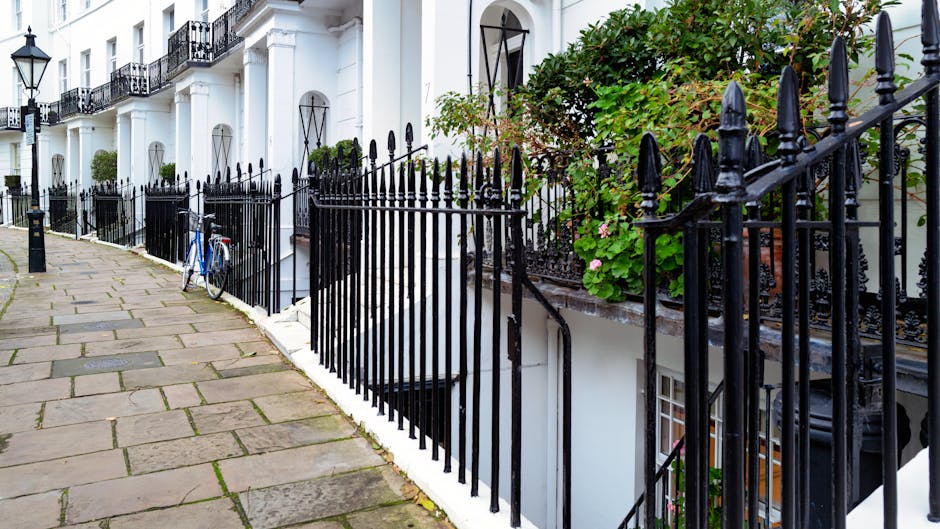
Why SE11 terraced garden guide for Kennington homeowners gardeners Matters
Terraced gardens in Kennington, especially around SE11, tend to share a few familiar traits: narrow widths, boundary walls, overshadowing from neighbouring homes, and access that is not always generous. Add London weather swings, occasional wind tunnel effects, and the usual pressure of busy city living, and you have a space that needs thoughtful planning rather than random plant shopping.
That is why a terraced garden guide matters. It helps you make decisions that suit the real conditions outside your back door. A sunny spot near the house may not stay sunny all year. A deep border may look lovely in spring but become a dry, dusty headache by August. A seating area can feel intimate, or it can feel cramped and gloomy. The trick is knowing which is which before you spend time and money.
For many homeowners, the garden is also part of the home's first impression. In a terraced setting, the eye often lands quickly on the patio, the fence line, the planting by the rear wall, and the path down the side. If those elements feel coherent, everything lifts. If they are cluttered or patchy, the whole space feels smaller. That tiny visual difference matters more than people think.
And there is the upkeep side too. A garden in a terrace needs a maintenance pattern that is realistic. If your schedule is already full, a low-fuss design is not a compromise; it is smart planning. For ideas on keeping things manageable without losing charm, the practical advice in low-expense garden upkeep ideas for busy homeowners is a helpful companion read.
How SE11 terraced garden guide for Kennington homeowners gardeners Works
The basic method is simple: assess the site, match the planting to the conditions, and build the garden around how you live rather than how a magazine photo looks. Sounds obvious, doesn't it? Yet this is where most terraced gardens go wrong.
Here is how the process usually works in practice:
- Measure and observe the space - note width, length, door positions, drainage, sun movement, and where wind hits hardest.
- Decide on the primary function - do you need dining space, play space, privacy, wildlife interest, or all four in a small balance?
- Plan the layout first - paths, seating, bins, sheds, and access should be fixed before planting begins.
- Choose plants for the actual microclimate - one part of the garden may be dry and bright, another damp and shaded.
- Build in vertical interest - walls, trellis, climbers, shelves, and hanging containers help a terraced garden feel bigger.
- Set a maintenance rhythm - pruning, feeding, weeding, watering, and seasonal tidy-ups keep the design working.
In SE11, it is especially useful to think in layers. Ground level can be hard landscaping or low planting. Mid-level can carry shrubs, herbs, and seasonal colour. Upper space can handle climbers, screening, and light. Once you see a terraced garden as a vertical composition rather than just a flat patch of soil, the design opens up quite a bit.
If privacy is a priority, the right structure matters as much as the plants themselves. You may find the guidance in fast-growing hedge choices for better privacy useful when planning boundary cover or screening from nearby windows.
Key Benefits and Practical Advantages
A well-planned terraced garden delivers more than kerb appeal. It can make everyday life easier, calmer, and a bit more enjoyable. That sounds grand, but it is true.
- Better use of space: Narrow gardens work better when each zone has a clear role.
- More privacy: Screening, layering, and smart boundary planting help reduce that overlooked feeling.
- Lower maintenance: The right planting scheme reduces the constant "I should really sort that out" feeling.
- Improved comfort: A seating pocket, even a small one, makes the garden feel usable rather than decorative only.
- Seasonal interest: With careful plant choice, the garden keeps changing through the year instead of looking good for three weeks in May.
- Stronger biodiversity: Bees, butterflies, and birds tend to appreciate mixed planting, shelter, and water.
There is also a quieter benefit: a terraced garden that feels coherent is easier to live with. You notice it when you step outside in the evening and the space feels calm rather than chaotic. That matters after a noisy day in London, especially when the city has been loud and relentless all day.
Where space is really tight, vertical growing can be a lifesaver. For a fuller look at how height can transform compact plots, see the benefits of vertical gardens in urban areas. It is one of the most practical ideas for SE11 homes, no question.
Who This Is For and When It Makes Sense
This guide is for homeowners, gardeners, landlords, and busy families who want a more usable terraced garden without turning it into a full-scale landscaping project. If you have a back garden that feels too shaded, too exposed, too small, or just a bit underused, this approach makes sense.
It is especially relevant if you:
- own a traditional terraced property with a narrow rear garden
- rent or manage a property and need durable planting that stays presentable
- want a garden that looks good from the house as well as from outside
- need more privacy from neighbouring windows and upper floors
- have dogs, children, or both, and need a safer, clearer layout
- prefer a garden that is attractive but not endlessly demanding
It also makes sense if the garden has started to drift out of control. Maybe the climbers are getting a bit bold, the weeds are persistent, or the patio has become a forgotten grey slab. That is normal, really. Terraced gardens often fall into patch-and-pray mode for a while before someone steps back and says, "Right, let's sort this properly."
If overgrown boundaries are part of the issue, pairing this guide with hedge trimming in Kennington can help restore shape and light. The same goes for larger maintenance work in general, especially if you need more than a quick tidy-up.
Step-by-Step Guidance
Here is a practical way to improve a SE11 terraced garden without overcomplicating it. You do not need to do everything at once. In fact, trying to do everything at once is how people end up with half-finished borders and three bags of compost sitting in the rain. We have all seen that film.
1. Start with a clean slate
Remove obvious clutter first: broken pots, dead annuals, invasive weeds, tired furniture, and anything that blocks movement. If you are working with a patio or paved section, give it a proper clean so you can actually see the space you are shaping.
For paved areas that have gone green or grubby, patio cleaning in Kennington is often the quickest visual win. It makes the whole garden feel lighter before you even plant a single thing.
2. Map sun, shade, and exposure
Watch the garden across the day if you can. Morning light may be generous near the house, while the back fence sits in shade by mid-afternoon. One corner may be windier than it seems from indoors. This small observation stage saves a lot of guesswork later.
3. Decide on zones
Most terraced gardens work better when divided into three rough areas:
- Arrival / transition zone: usually closest to the house or back door
- Use zone: seating, dining, play, or potting space
- Green or screening zone: planting, climbers, hedging, or focal features
These zones do not have to be formal. They just need enough definition that the garden feels intentional.
4. Build structure before softening it with planting
Terraces often benefit from strong edges: raised planters, rendered walls, trellis, paving lines, or a central stepping path. Once the framework is there, soften it with plants. Without structure, small gardens can feel messy very quickly.
5. Choose plants that suit the site
It is tempting to buy whatever looks nice at the garden centre. Nice, yes. Suitable, maybe not. For compact urban gardens, many homeowners do better with a mix of evergreen structure, ground cover, seasonal flowers, and one or two vertical features.
Ground cover is particularly useful where weeds keep returning or where bare soil dries out. If you want more planting inspiration, this guide to ground cover plants is a sensible place to start.
6. Add height for depth and privacy
Climbers, obelisks, wall planters, and trellis can make a small garden feel taller and more layered. Just be realistic about maintenance. Vigorous climbers need guidance, pruning, and a proper support system.
For shaded fences and vertical softness, evergreen climbers can be very effective. If ivy is already running wild, you may need a tougher reset first, and complete ivy eradication is worth reading before you let it take over another season.
7. Finish with maintenance routines
Do not leave upkeep as an afterthought. Build it in. Pruning, deadheading, feeding, watering, and weed control should all have a place in the plan. A terraced garden looks best when it is nudged regularly rather than rescued occasionally.
For summer colour, the timing of deadheading can make a visible difference. The practical points in pruning and deadheading techniques for summer blooms will help you keep bedding and perennials performing for longer.
Expert Tips for Better Results
These are the little things that tend to separate an okay terraced garden from one that feels genuinely inviting.
- Use repetition wisely: repeating the same pot, plant, or material a few times creates calm.
- Keep the palette restrained: too many colours can make a small garden feel busier than it is.
- Think in layers of texture: glossy leaves, airy grasses, hard paving, and climbing foliage all play different roles.
- Choose one focal point: a bench, specimen plant, water bowl, or sculpture can anchor the eye.
- Let one area breathe: not every inch has to be planted. Negative space helps.
- Prioritise the view from inside: many London gardens are seen more than they are used in winter.
One neat trick is to make the garden feel longer by keeping the eye moving. A path that shifts slightly, a series of grouped pots, or a screen at the far end all draw you through the space. That is basic design, but it works. Every time.
If the garden will be used by pets, children, or both, the design needs a bit more discipline. A safe layout for dogs and a thoughtful family-friendly plan can prevent the usual trip hazards and scratched borders. For a practical read, see ensuring a safe and inviting garden for dogs and designing a garden that kids will absolutely love.
And if you want a garden that feels calmer rather than cluttered, a more meditative layout can be useful. The ideas in designing a zen garden for ultimate outdoor relaxation can be adapted very nicely for compact terraces.

Common Mistakes to Avoid
Terraced gardens punish overconfidence a little. Not cruelly, just enough to keep you honest.
- Planting for the catalogue, not the site: a plant that loves full sun may sulk in a shaded SE11 rear garden.
- Ignoring drainage: compacted soil or poor runoff leads to soggy roots and messy patios.
- Overfilling the space: too many pots, ornaments, and features make it feel smaller.
- Using only annuals: they offer quick colour but can leave the garden bare outside peak season.
- Skipping vertical structure: without height, small gardens often look flatter than they should.
- Neglecting boundary maintenance: overgrown hedges and climbers can eat light and cause neighbourly tension.
- Forgetting winter: what looks lush in June can look skeletal by January if evergreen structure is missing.
Another common slip is treating the garden as separate from the rest of the property. But in a terrace, the rear outlook is part of the home experience. If the garden connects awkwardly to decking, fencing, or the house wall, the whole thing feels fragmented. A joined-up approach is simply better.
Structural repairs or upgrades sometimes help too. If old fencing, timber edges, or tired decking are part of the problem, those surfaces may need attention before planting can really shine. In some cases, decking services in Kennington or fencing in Kennington are the practical fix, not just the cosmetic one.
Tools, Resources and Recommendations
You do not need a van full of equipment to improve a terraced garden, but having the right tools does make everything less annoying. And gardening should be satisfying, not a weekly battle with blunt shears.
- Hand fork and trowel: for planting, lifting weeds, and working around tight borders.
- Bypass secateurs: cleaner cuts for small pruning jobs and deadheading.
- Long-handled loppers: useful for larger stems and awkward growth.
- Watering can or hose with control nozzle: especially important for container planting.
- Sturdy garden gloves: for thorny climbers, rough timber, and general protection.
- Wheelbarrow or trug: small but handy when moving compost, clippings, and rubble.
- Soil improver or compost: often the biggest improvement you can make to tired beds.
Soil quality is a big deal in terraced gardens, especially where past planting has exhausted the bed or builders have left substandard fill. Enriching the soil properly makes watering more effective and planting far less stressful. If you want a deeper practical read, soil enrichment ideas can help you get more from what you already have.
For more general know-how, these tips for new gardening enthusiasts are a good refresher, especially if you are rebuilding confidence after a few disappointing seasons.
If you plan to garden through colder months, keep an eye on overwintering needs too. The guidance in winter plant care essentials is especially useful where containers and exposed walls can make frost bite a little harder.
Law, Compliance, Standards, or Best Practice
For most domestic terraced gardens, the main issue is not heavy regulation. It is good neighbourly practice, reasonable safety, and avoiding preventable damage. That said, there are a few points worth keeping in mind.
- Boundary responsibility: if your planting or hard landscaping affects a shared fence, wall, or drainage line, deal with it carefully and discuss it early.
- Overhanging growth: climbers and trees should be managed so they do not create avoidable disputes or block light excessively.
- Safe access: keep paths, steps, and surfaces sensible to reduce slip or trip risks, particularly after rain.
- Waste handling: garden waste should be disposed of responsibly and in line with normal local expectations.
- Workmanship and insurance: if you hire help, check that the work is carried out safely and that the company has sensible processes in place.
Good practice matters here. Not because every terrace project is formal or complicated, but because small spaces magnify small mistakes. A badly placed root, a loose board, or an overenthusiastic climber can create bigger headaches than you expect.
If you are comparing professional support, it is sensible to review service information, including health and safety policy details, insurance and safety information, privacy policy, and terms and conditions. Those pages help you understand how a provider works before any project starts. Simple, but important.
Options, Methods, or Comparison Table
Different terraced gardens need different approaches. The table below gives a practical comparison of common methods.
| Approach | Best For | Strengths | Watch Outs |
|---|---|---|---|
| Container-led design | Very small or paved terraces | Flexible, tidy, easy to rearrange | Needs watering and feeding more often |
| Border-and-climber scheme | Gardens needing privacy and depth | Strong vertical impact, good screening | Requires pruning and support management |
| Mixed hardscape and planting | Family gardens and social spaces | Balanced, practical, easy to use | Can feel sparse if not planted carefully |
| Low-maintenance evergreen layout | Busy homeowners | Reliable year-round structure | Needs good variety to avoid sameness |
| Wildlife-friendly layered planting | Gardeners wanting biodiversity | Seasonal interest, pollinator support | May need more seasonal tidying |
For many Kennington homes, the best answer is not one method in isolation. It is a blend. A small paved area near the house, a few deep containers, vertical planting at the boundary, and one restful focal point can be enough to transform the space without overdoing it.
Case Study or Real-World Example
Picture a typical SE11 rear terrace: about average length, shaded at one end, sunny for part of the afternoon, and a bit neglected after a few busy years. The patio is sound but dull. The fence line is patchy. There is a narrow border that used to be full of flowers but now contains mostly weeds and a stubborn climber that nobody quite trusts anymore.
That kind of garden is actually very workable.
The first move would be to clear the weak growth, clean the hard surfaces, and assess what remains worth keeping. The second move would be to define a simple layout: seating near the house, a slim planting run along one boundary, and a taller privacy screen at the back where the garden feels most exposed. After that, you add structure with a couple of consistent containers, then layer in shade-tolerant or sun-tolerant planting depending on the spot.
In one similar garden, just three changes made the biggest difference: a cleaned patio, evergreen screening on the back fence, and a more disciplined planting palette. Nothing flashy. But the result felt calmer, more spacious, and much easier to look after. By late summer, the owner said it finally felt like an outdoor room rather than a leftover strip. That is the real win, honestly.
If the garden needs more than a refresh, a broader service such as garden maintenance in Kennington or landscaping in Kennington may be the right next step. Sometimes the simplest route is the one that gets you back to enjoying the space faster.
Practical Checklist
Use this checklist before you start or when you are reviewing an existing terraced garden:
- Have I measured the space accurately?
- Do I know where the sun and shade fall across the day?
- Is the garden's main purpose clear: relaxing, entertaining, growing, or family use?
- Have I included enough height and vertical structure?
- Are the plants suitable for the actual conditions, not just the label photo?
- Have I planned for privacy and boundary screening where needed?
- Is the patio or hardscape clean, safe, and usable?
- Have I allowed for maintenance through summer and winter?
- Do the materials and planting choices work together visually?
- Have I left a little breathing room so the garden does not feel crowded?
Expert summary: the best SE11 terraced gardens are not the most complicated ones. They are the ones that balance layout, light, planting, and upkeep in a way that matches how real people live. If you get those four things right, everything else becomes easier.
Conclusion
A good terraced garden in Kennington does not need to be large, expensive, or packed with rare plants. It needs to be thoughtful. If your SE11 space feels awkward, overexposed, too shaded, or simply underused, a clearer layout and better plant strategy can change the whole mood of it. You will notice the difference in small moments first: stepping outside for five calm minutes, looking out at something green from the kitchen, or sitting down and not feeling like you are in a narrow afterthought anymore.
The most successful gardens are usually the ones that respect the space rather than fight it. That is the quiet secret. Start with structure, choose plants for the conditions, keep maintenance realistic, and let the garden evolve with the seasons. It does not have to be perfect. It just has to work for you.
Get a free quote today and see how much you can save.
And if you are ready to give your terrace a proper refresh, a little planning now can turn a modest outdoor space into one of the nicest parts of the home. That is a good feeling, to be fair.

With years of experience in the gardening business, Mark contributes articles on a wide range of gardening and landscaping topics. His expertise has guided numerous individuals in creating beautiful garden designs.